


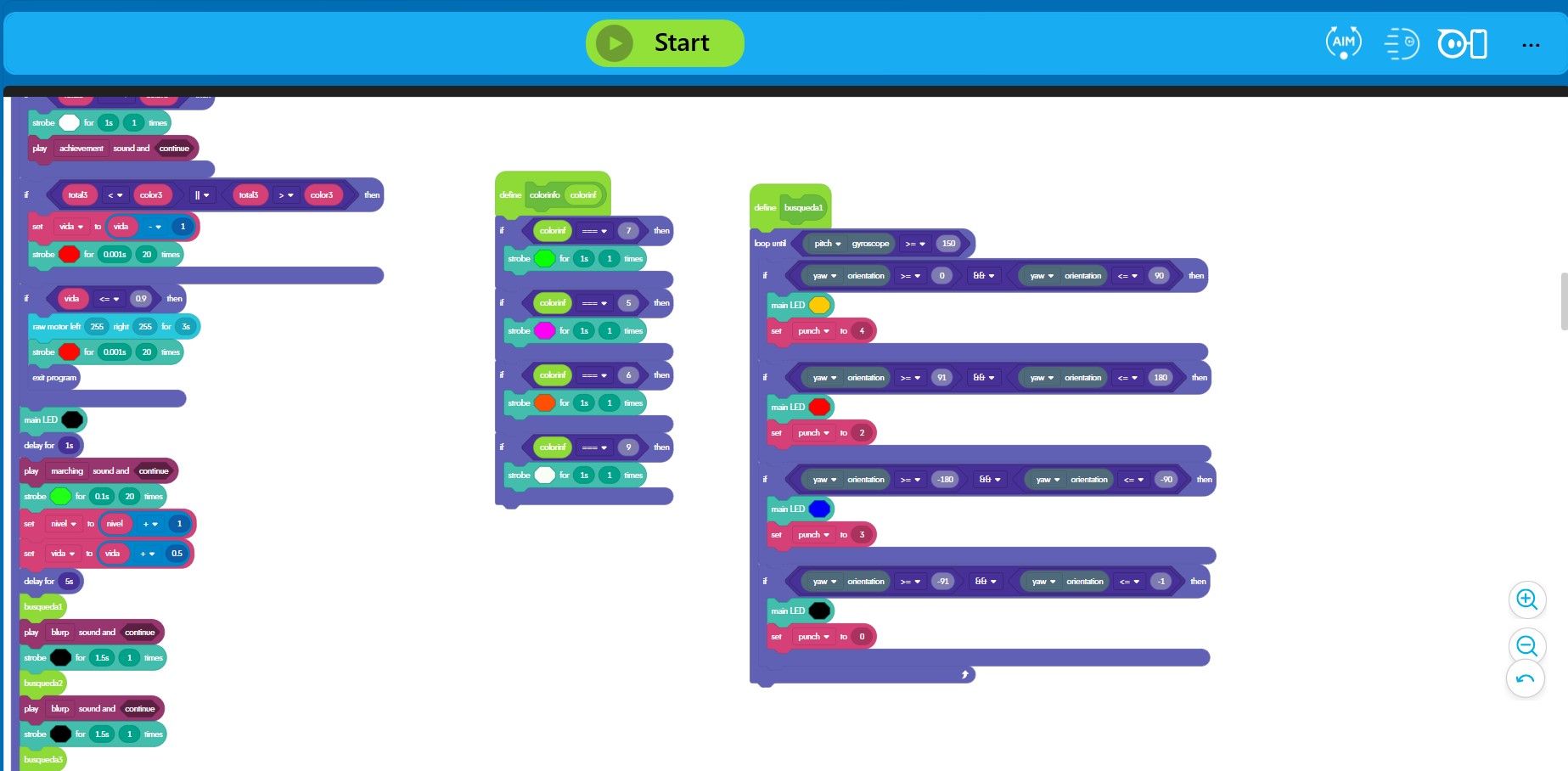
Now, let us talk about my experience programming; as I previously mentioned I started back when I was 11 years old, my first contact was with a Sphero SPRK+ that my brother gave me as a birthday present, in lamest terms it is a transparent sphere with motors, LEDs and many sensors which let you program in a scratch based block environment.
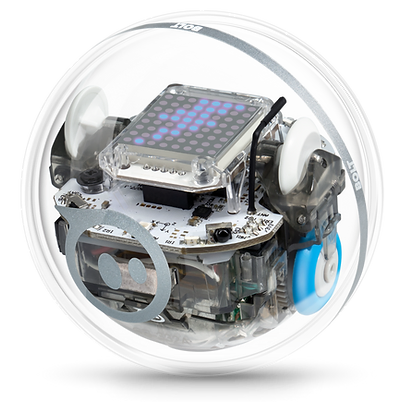
Later on I got the Sphero BOLT which is like the SPRK+ but it has an 8x8 pixel matrix, a lumen sensor, and an IR sensor. I used both of them for years, and I learned so much about programming basics and general important concepts which later on helped me when getting into more advanced languages.
Afterwards, my uncle (who is a software engineer at Dell) advised me to learn Python, and I found a course at edX, which is called "IBM's Python Basics for Data Science". Though I did not get a certificate because I did not have enough money for it.

I spent a lot of time playing around and delving deeper into Python and its libraries, making myself a GitHub profile and many projects (most I haven't uploaded yet). I later on used W3Schools to learn HTML, JS, and CSS... That and A ton of Stack Overflow for any questions that arose. I am currently taking Harvard's CS50x Computer Science Course also at edX.
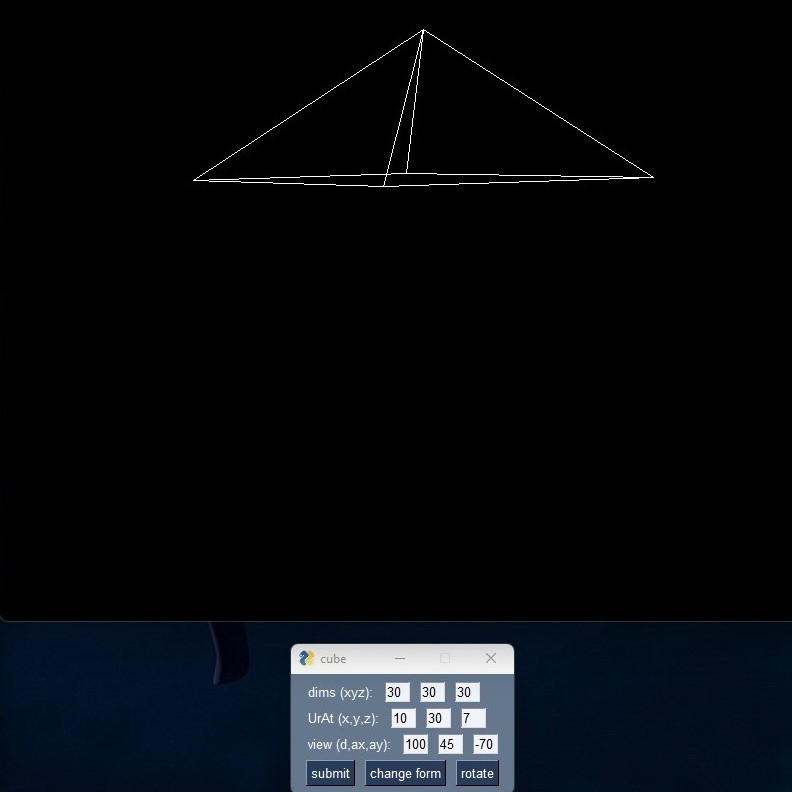
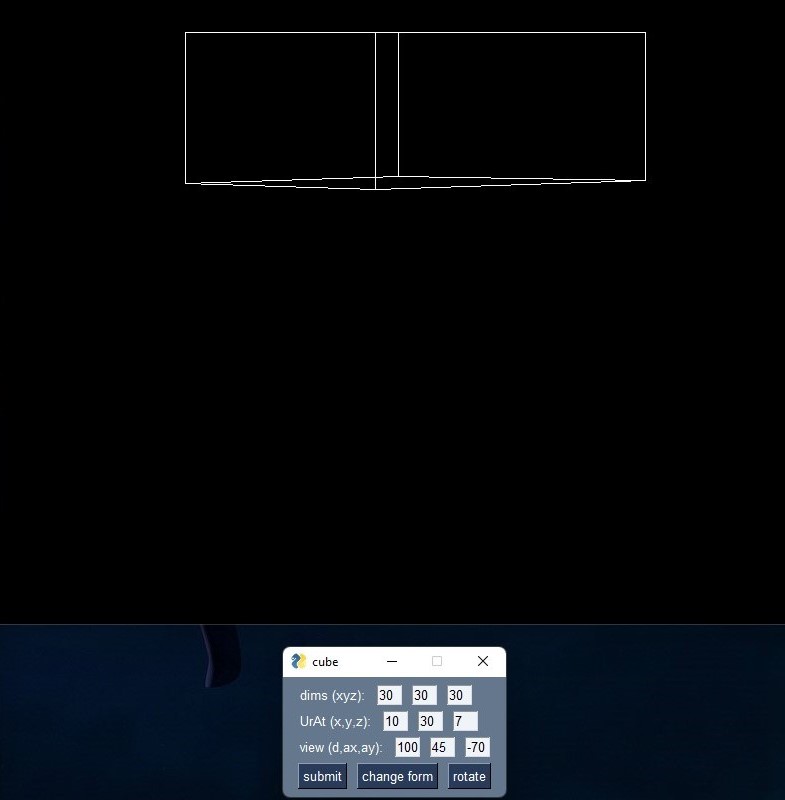
Not so long ago I had a math project with my peer Valeria Dumani, which involved using things we recently learned in class, we opted to use maths to precisely convert a 3D vector into a 2D plane, we chose this topic due to my interest in game engines and how to render 3D objects in a screen. So we experimented in search of usable formulas, our objective was to find the formulas without looking for them which we did, more information on that can be found here. Afterward, I wanted to use my Python knowledge and use these formulas to make a simple 3D engine that could render a cube or a pyramid.
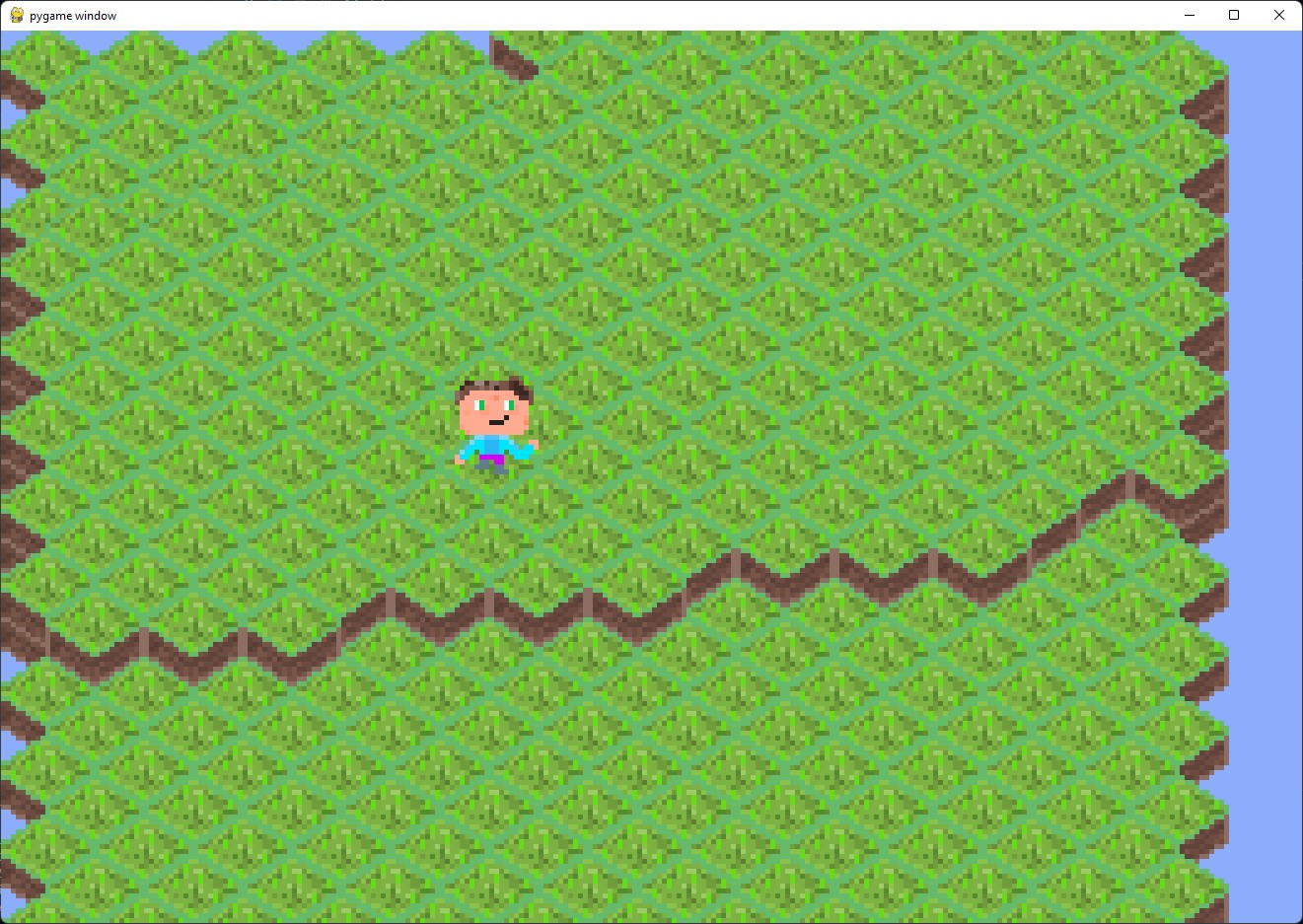
This is one of my favorites, it may look very simple, and at the moment it is, but every step of the way is planned to be easy to add things to it, this means that if you want to add a block it is not difficult, or if you want to add your structure to the game it would be pretty simple. The challenge in making this game is that at its base it is a 3D game, but it is made in a 2D engine, this makes it so that I have to play with perspective and placement of things to make the 2D sprites look like if they were making a 3D environment, it is also procedurally generated, which means the world is infinite, and with the help of Perlin-Noise the terrain is connected and looks organic. Right now it is in a very simple state, this is because I'm focusing on making the main things like structure generation, entities, collision, etc. Work and later on because (as I mentioned) I am making it easy to add things to it, I will, later on, add diversity and polish to it.
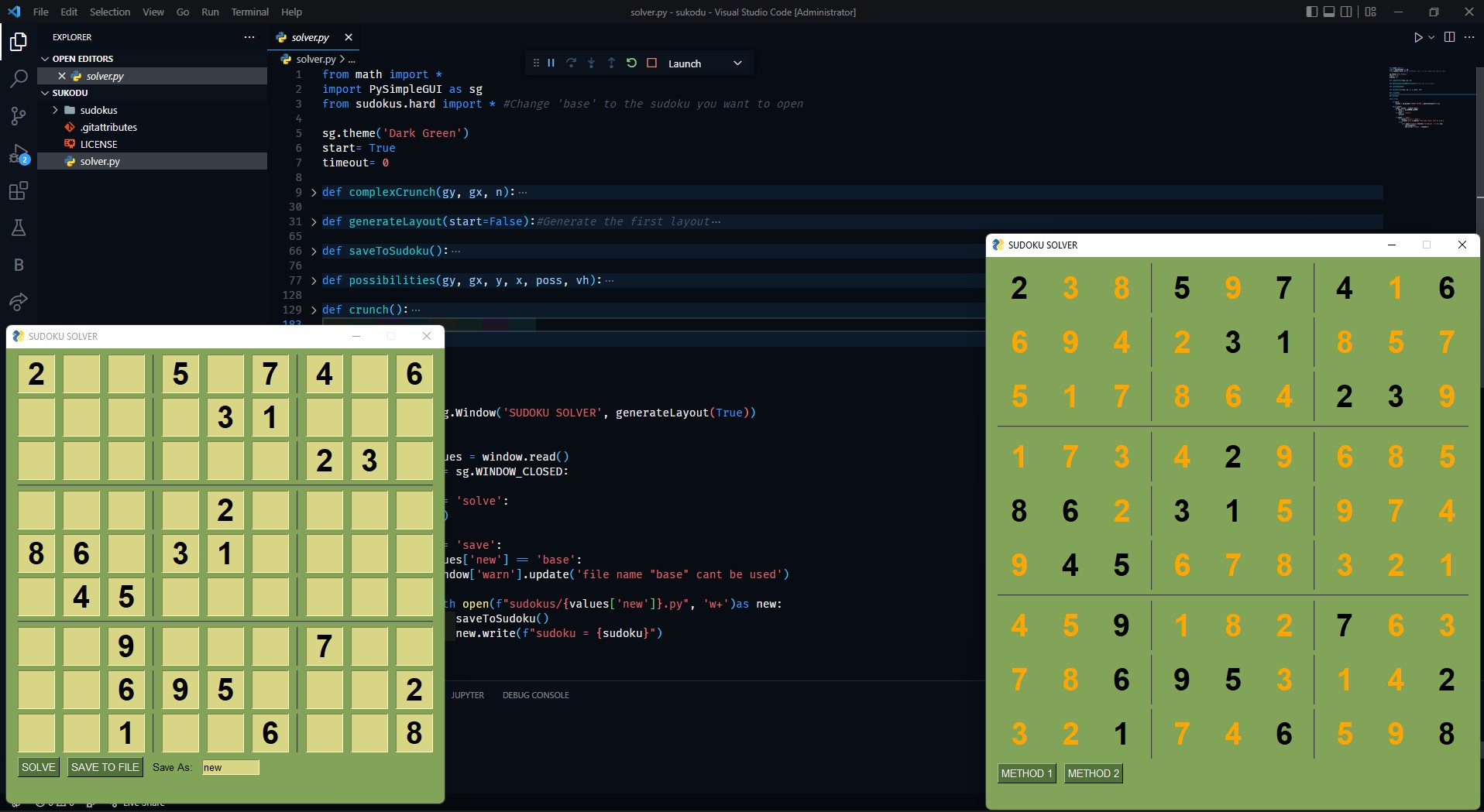
Why did I decide to make a Sudoku Solver? Well; I was on YouTube, and I saw a video of someone making a Sudoku solver, his Sudoku solver would go through each unfilled cell and try to put a number from 1-9 on it if the number could be placed then the program would put it there and move on to the next cell to try to do the same, if it couldn't place any number then it would go back one cell and search for a different number that could go there. So I wondered; if could I make a program that instead of brute-forcing the Sudoku would use a set of strategies that would make it faster. I also made it so that after you write your Sudoku on the board you can save it as a file and import it if you want to use it later.
Copyright ©JPPM/Sakermatcher | +52 (998) 417-1795 | juanpablopagan@icloud.com