SICSS, 2023
Lunches 13:00-14:00 daily:
Vegan/vegetarian/GF options (go to front of queue!)
Week 2: a more diverse diet (AKA you’re on your own)
Slack
Keep it on!
Channels for materials
Channels for prep.
Aybuke, Chris, Tod
Chris: main point of contact
10:00-16:00 everyday
16:00-17:00/17.30 research talk from invited speakers

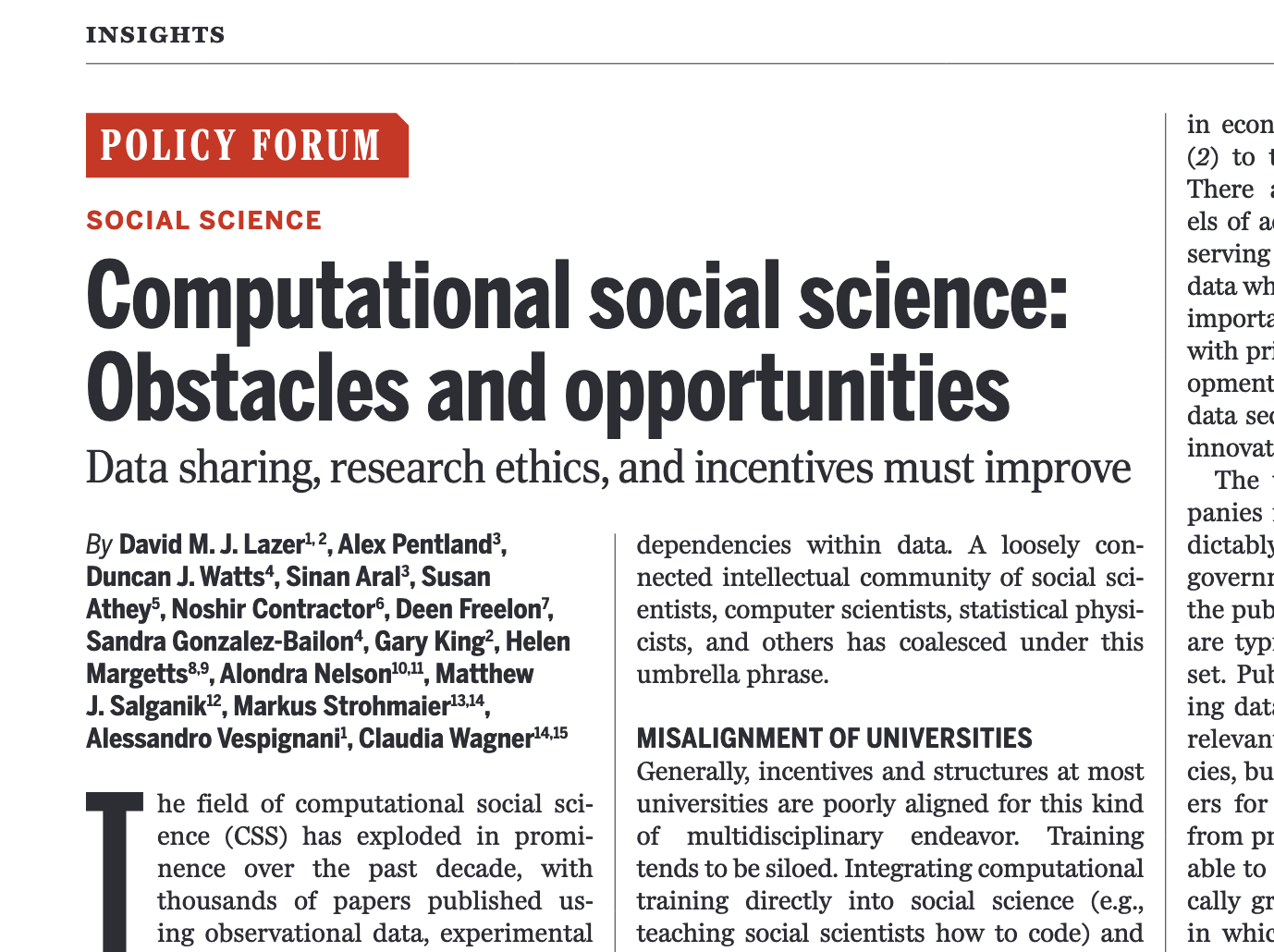
“Computational social science is an interdisciplinary field that advances theories of human behavior by applying computational techniques to large datasets from social media sites, the Internet, or other digitized archives such as administrative records.”

“[CSS is] the development and application of computational methods to complex, typically large-scale, human (sometimes simulated) behavioral data.”
Commonalities:
Computationally intensive methods
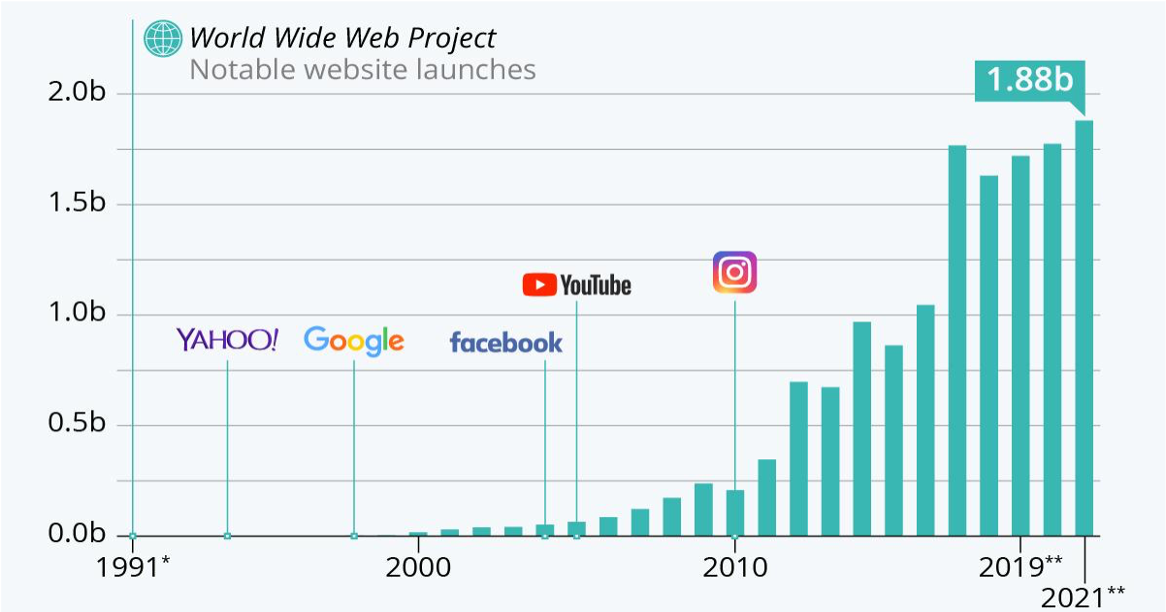
New types of data
Outcome of interest is ultimately human behaviour (?)
Tensions:
Place of theory
Theory from data
New data for old theories?


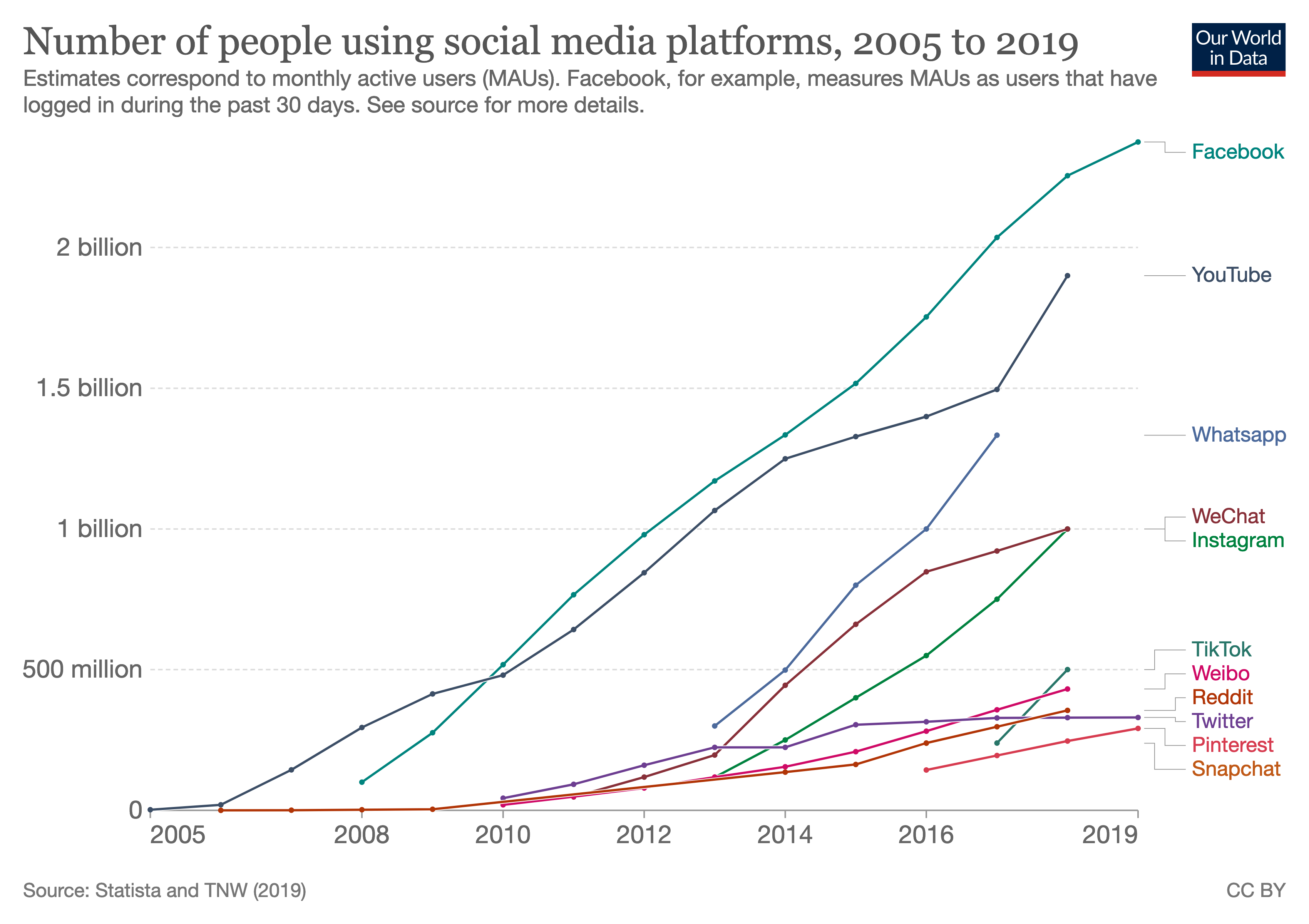
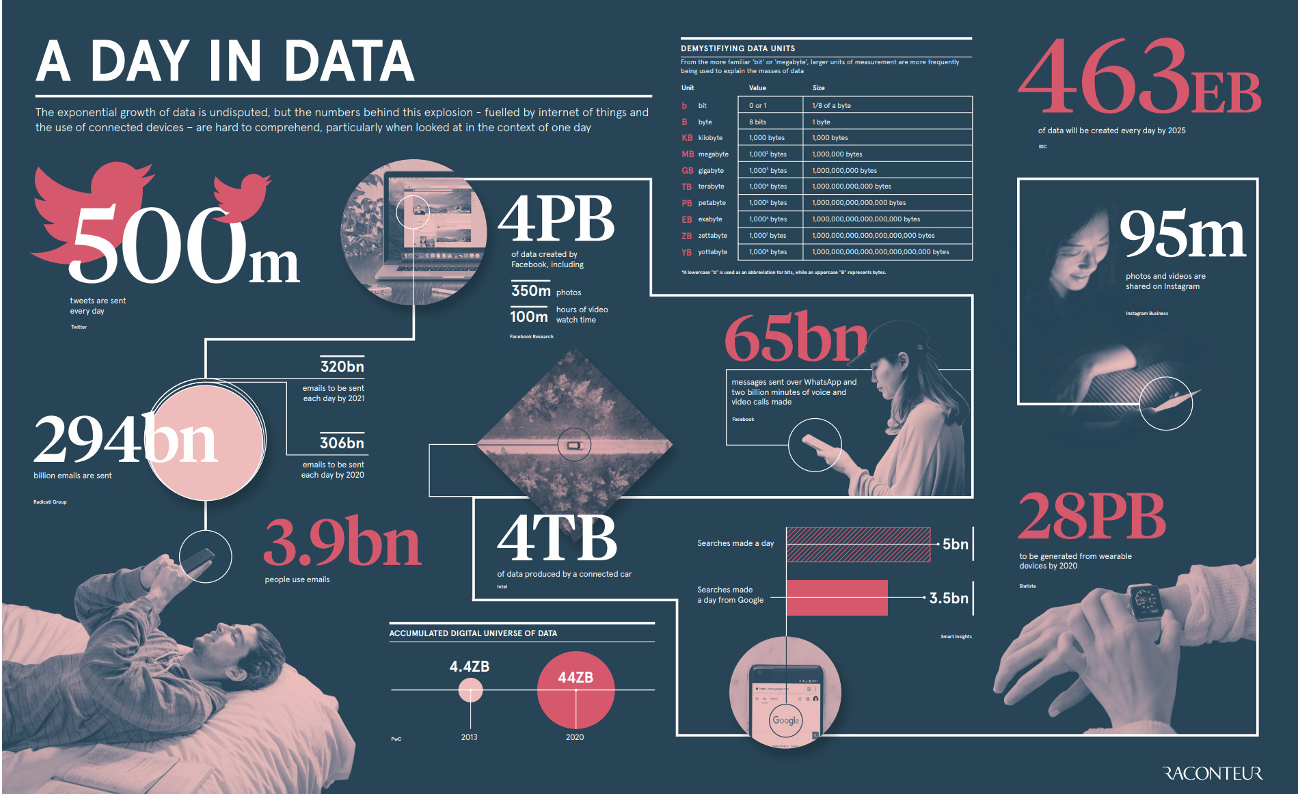
What is digital trace data?
Social media posts
Blogs and webpages
Call detail records (CDRs)
Web searches
Wearables
Internet of Things
What does it look like?
Figure 1: Salganik, Matthew. 2018. Bit by Bit: Social Research in the Digital Age. Princeton: Princeton University Press. p.7.
[{'text': 'hello freak [ __ ] I would love to play',
'start': 0.439,
'duration': 5.351},
{'text': 'you the dinosaurs are not real video',
'start': 3.72,
'duration': 4.82},
{'text': 'just do it God', 'start': 5.79, 'duration': 5.25},
{'text': "we probably can't play it on YouTube",
'start': 8.54,
'duration': 3.76},
{'text': "where we'll get pulled but we could play",
'start': 11.04,
'duration': 4.44},
{'text': 'the audio right play the I will put the',
'start': 12.3,
'duration': 4.59},
{'text': 'video up on the screen and play the',
'start': 15.48,
'duration': 3.389},
{'text': 'audio for you and you could just [ __ ] it',
'start': 16.89,
'duration': 4.29},
{'text': 'your head could turn beet red smokes',
'start': 18.869,
'duration': 4.381},<publicwhip scraperversion="b" latest="yes">
<oral-heading id="uk.org.publicwhip/debate/2017-01-09b.1.0" nospeaker="true" colnum="1" time="" url="">Oral
Answers to
Questions</oral-heading>
<major-heading id="uk.org.publicwhip/debate/2017-01-09b.1.1" nospeaker="true" colnum="1" time="" url="">
WORK AND PENSIONS
</major-heading>
<speech id="uk.org.publicwhip/debate/2017-01-09b.1.2" nospeaker="true" colnum="1" time="" url="">
<p pid="b1.2/1">The Secretary of State was asked—</p>
</speech>
<speech id="uk.org.publicwhip/debate/2017-01-09b.1.3" speakername="John Bercow" person_id="uk.org.publicwhip/person/10040" colnum="1" time="" url="">
<p pid="b1.3/1">I call Mr Gerald Jones. Where is the fella? He is not here.</p>
</speech>
<minor-heading id="uk.org.publicwhip/debate/2017-01-09b.1.4" nospeaker="true" colnum="1" time="" url="">
Self-employment
</minor-heading>
<speech id="uk.org.publicwhip/debate/2017-01-09b.1.5" person_id="uk.org.publicwhip/person/25309" speakername="Peter Dowd" oral-qnum="2" colnum="1" time="" url="">
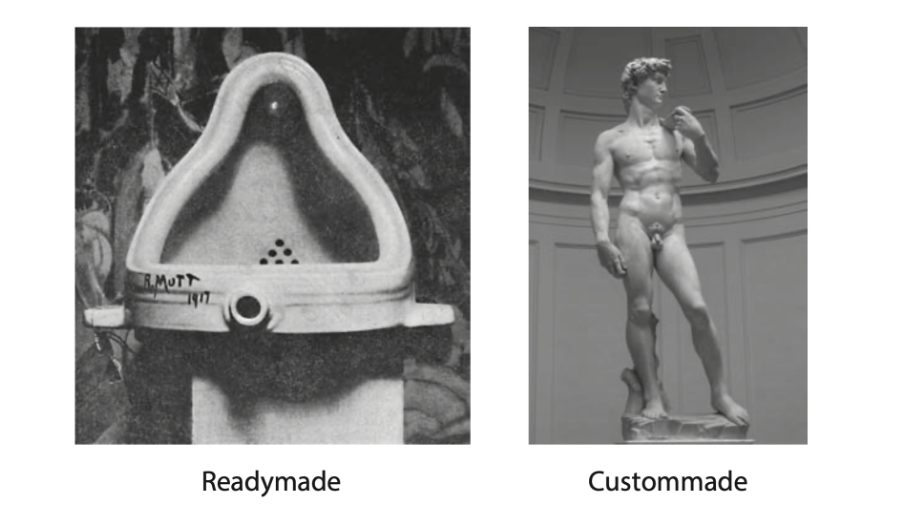
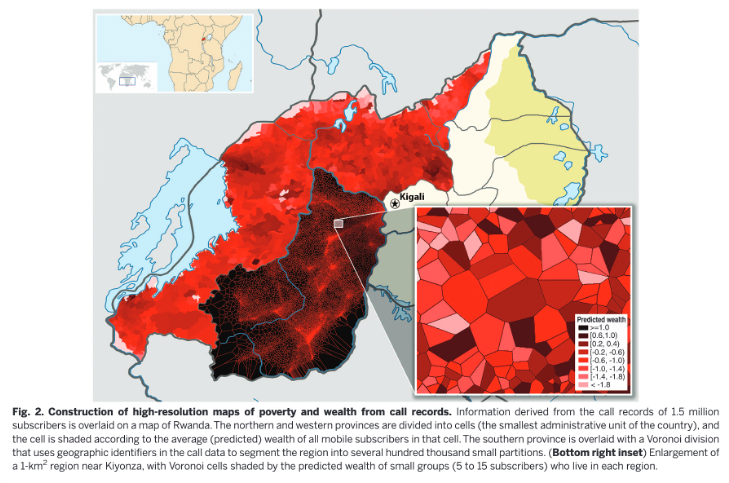
<p pid="b1.5/1" qnum="908056">What recent assessment he has made of trends in the level of self-employment. </p>Figure 2: https://advances.sciencemag.org/content/7/29/eabe6534/tab-article-info
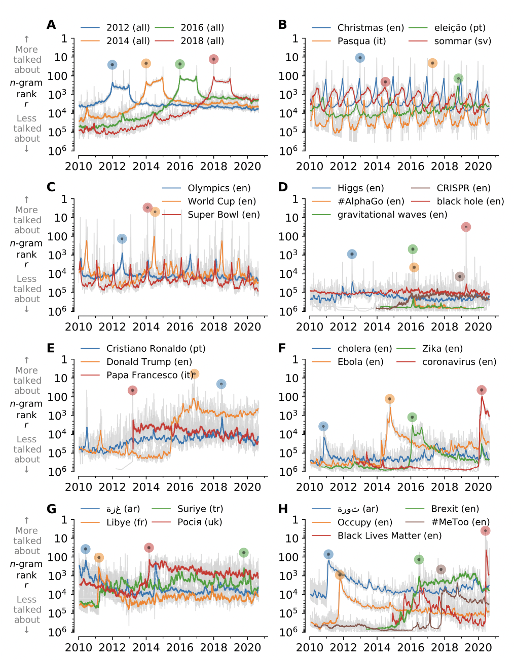
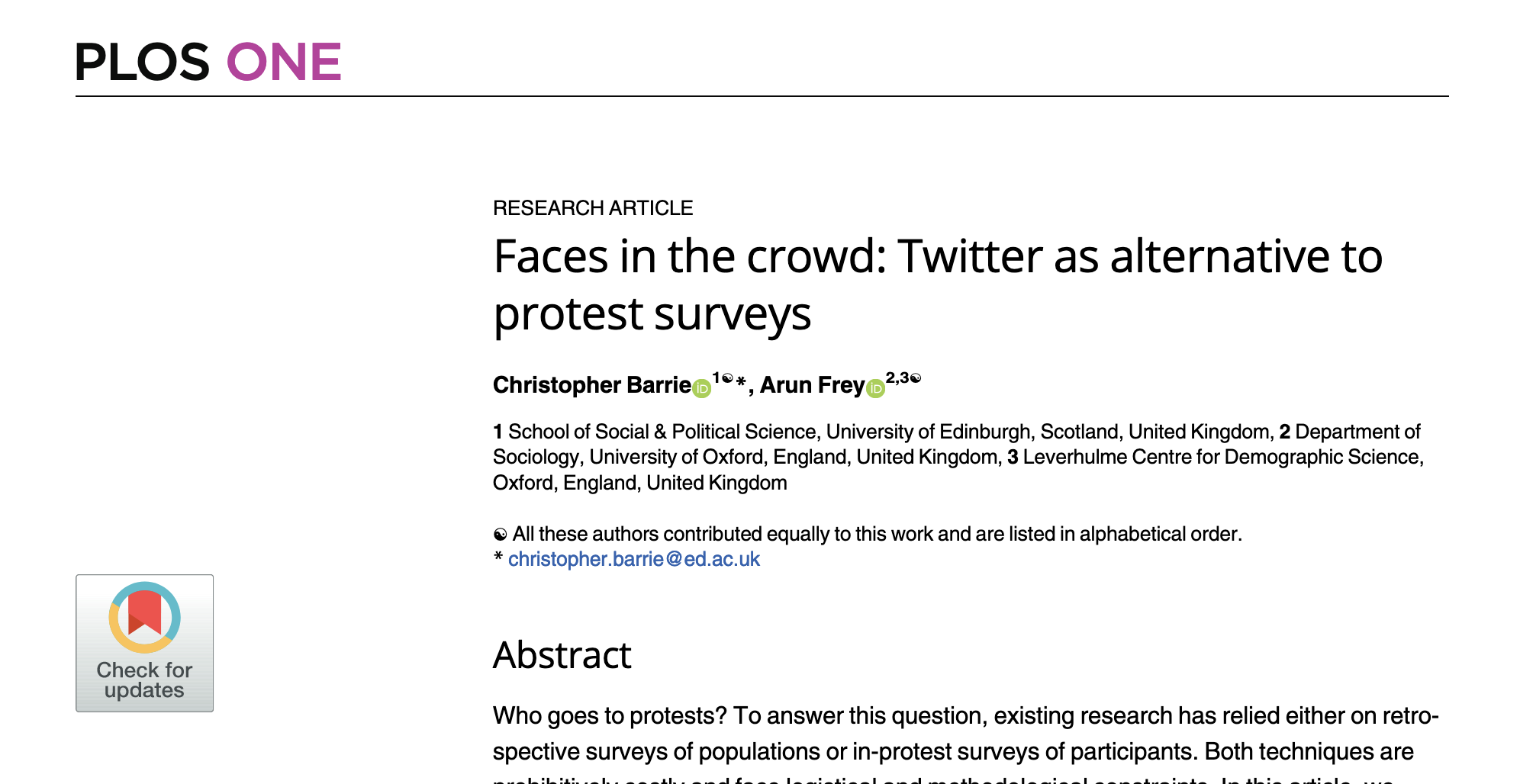
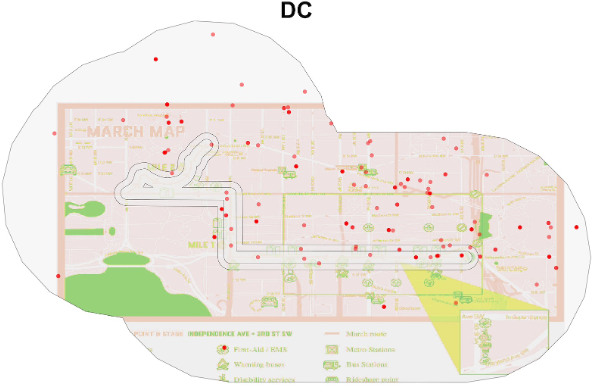
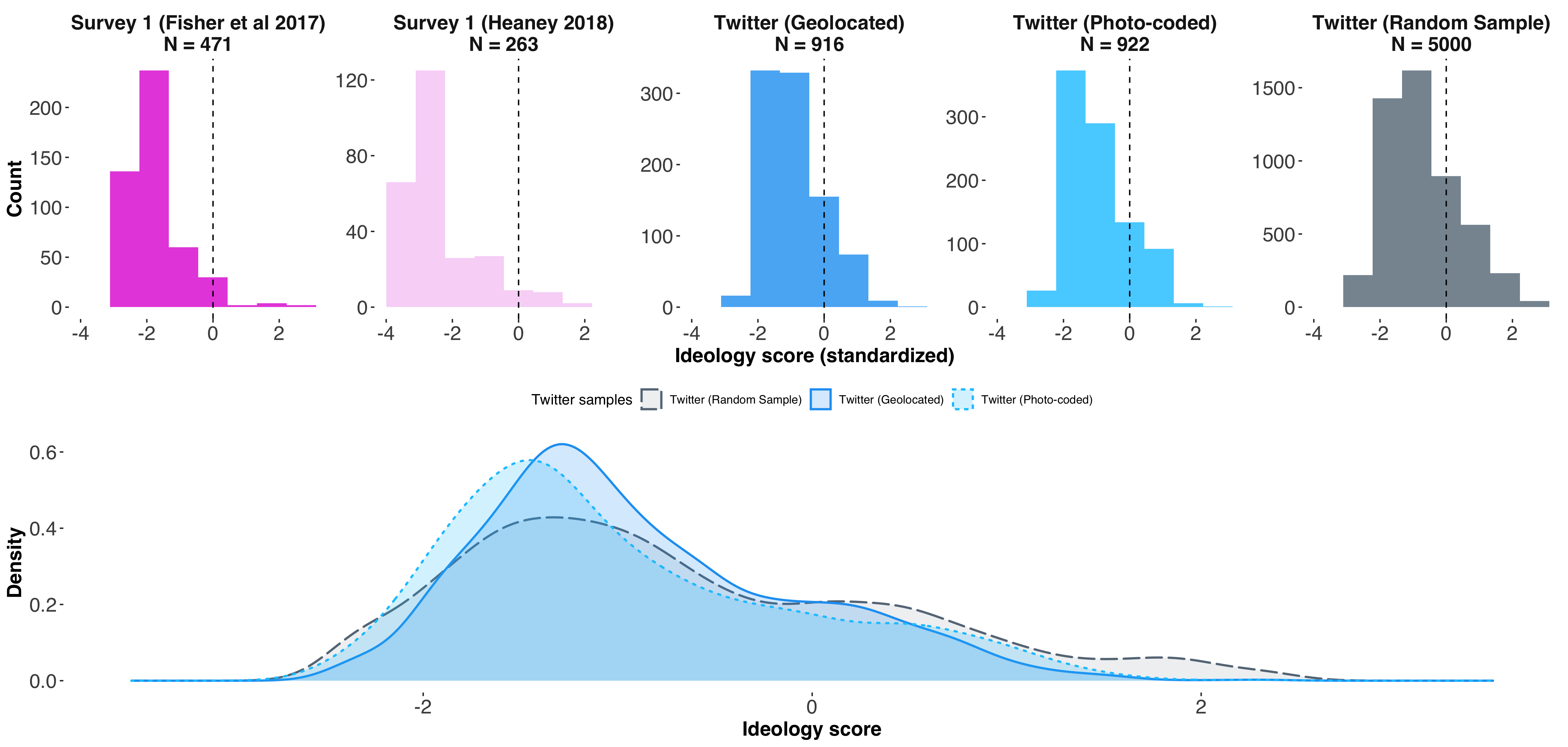
Figure 3: https://arxiv.org/abs/2101.03820
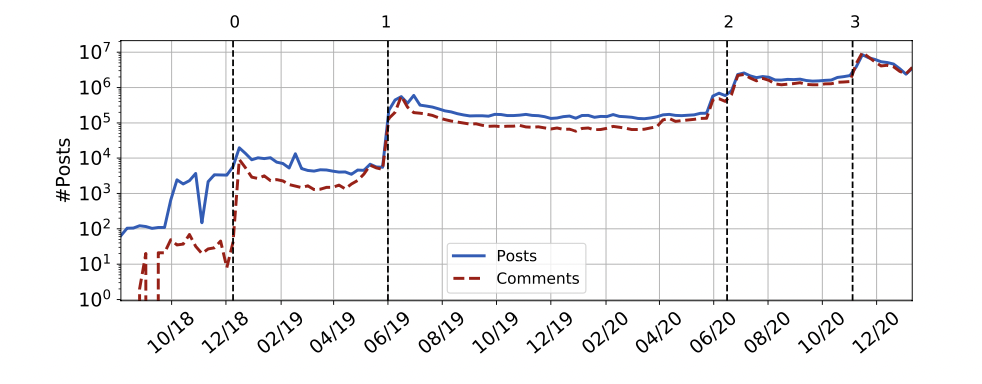
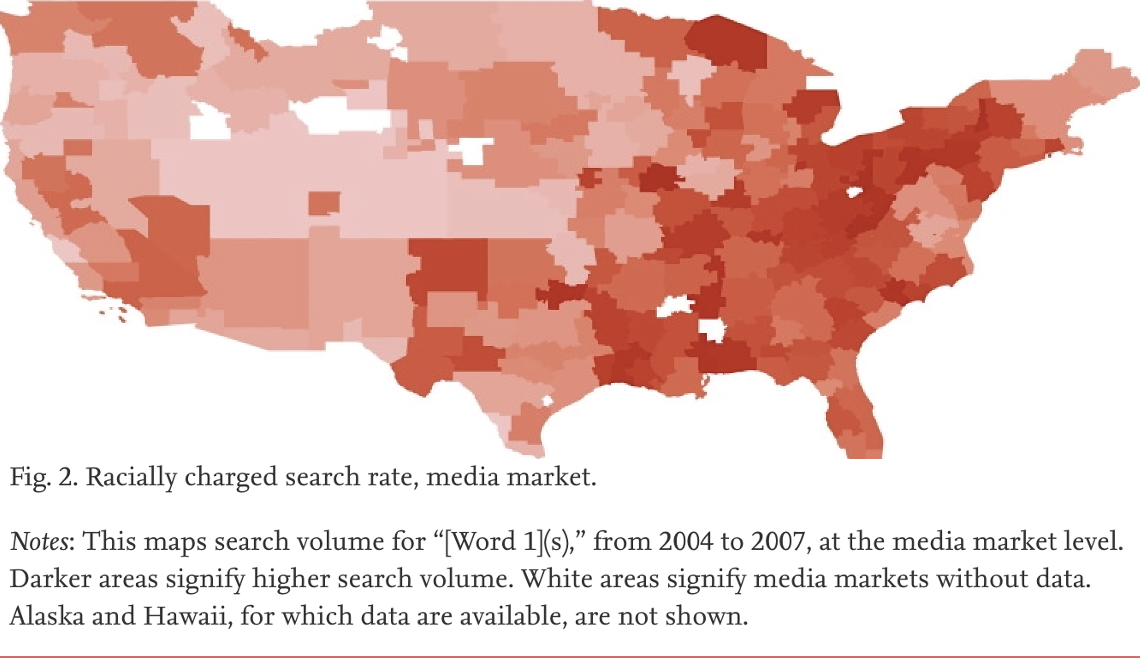
Figure 4: https://papers.ssrn.com/sol3/papers.cfm?abstract_id=4088828
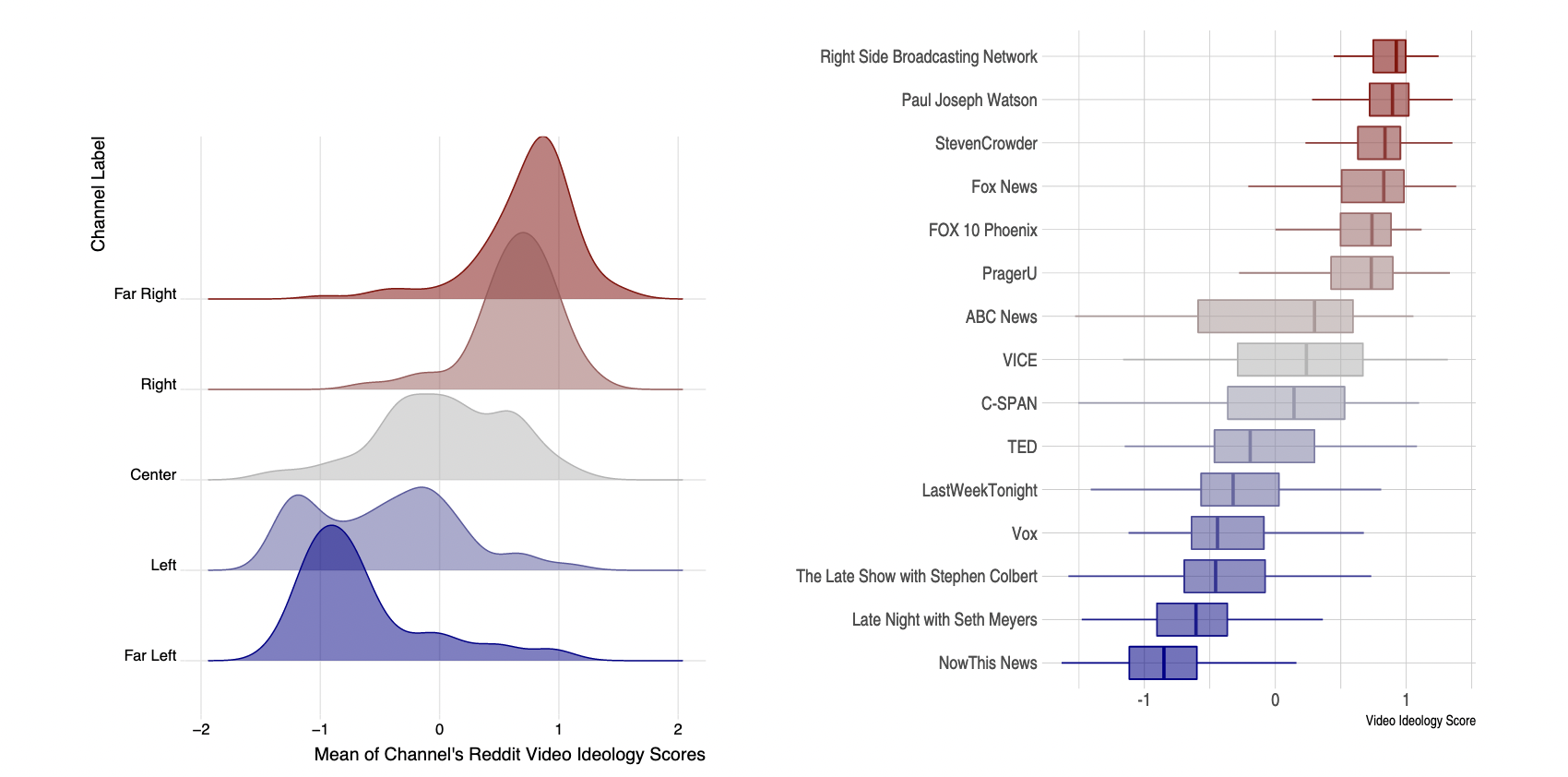
Figure 5: https://www.science.org/doi/10.1126/science.aac4420
Figure 6: https://www.sciencedirect.com/science/article/pii/S0047272714000929
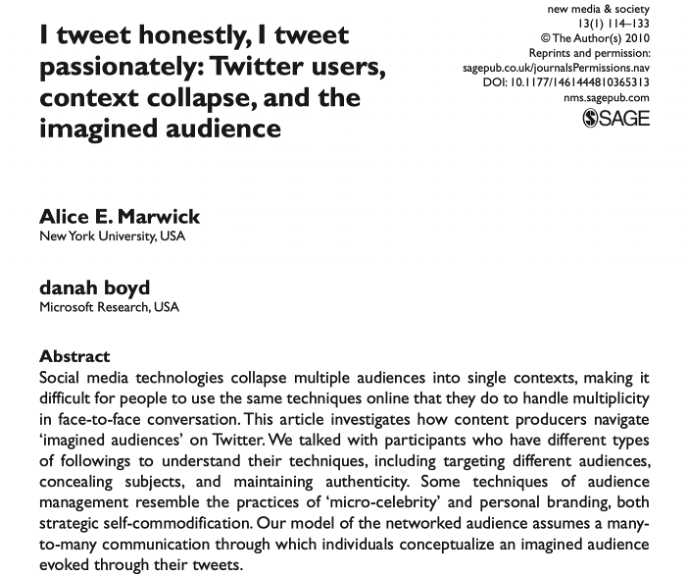
Figure 7: https://journals.sagepub.com/doi/abs/10.1177/1461444810365313
No
In some ways: yeah…
In other ways: well, no…
New types of data
In other ways: well, no…
New emphasis
In other ways: well, no…
New theory
In other ways: well, no…
…
minimize risk and maximiize benefits to decide if worth it
N.B. third-party oversight (because researcher bias)
justice
distribution of benefits and burdens of research
respect for law and public interest
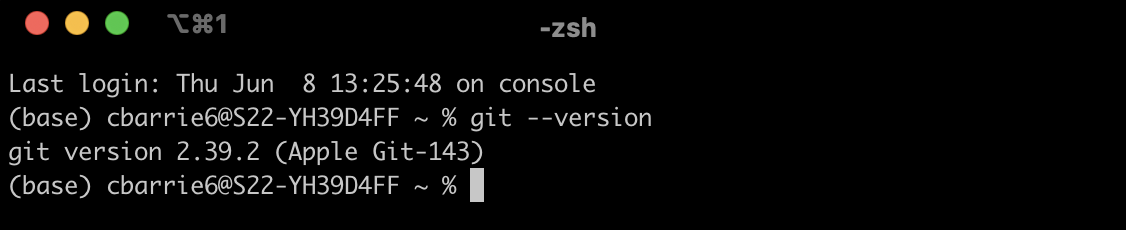
git --version
We all need to create a Github account.
We get our computer talking to Git by logging our Github credentials (either SSH or HTTPS approach)
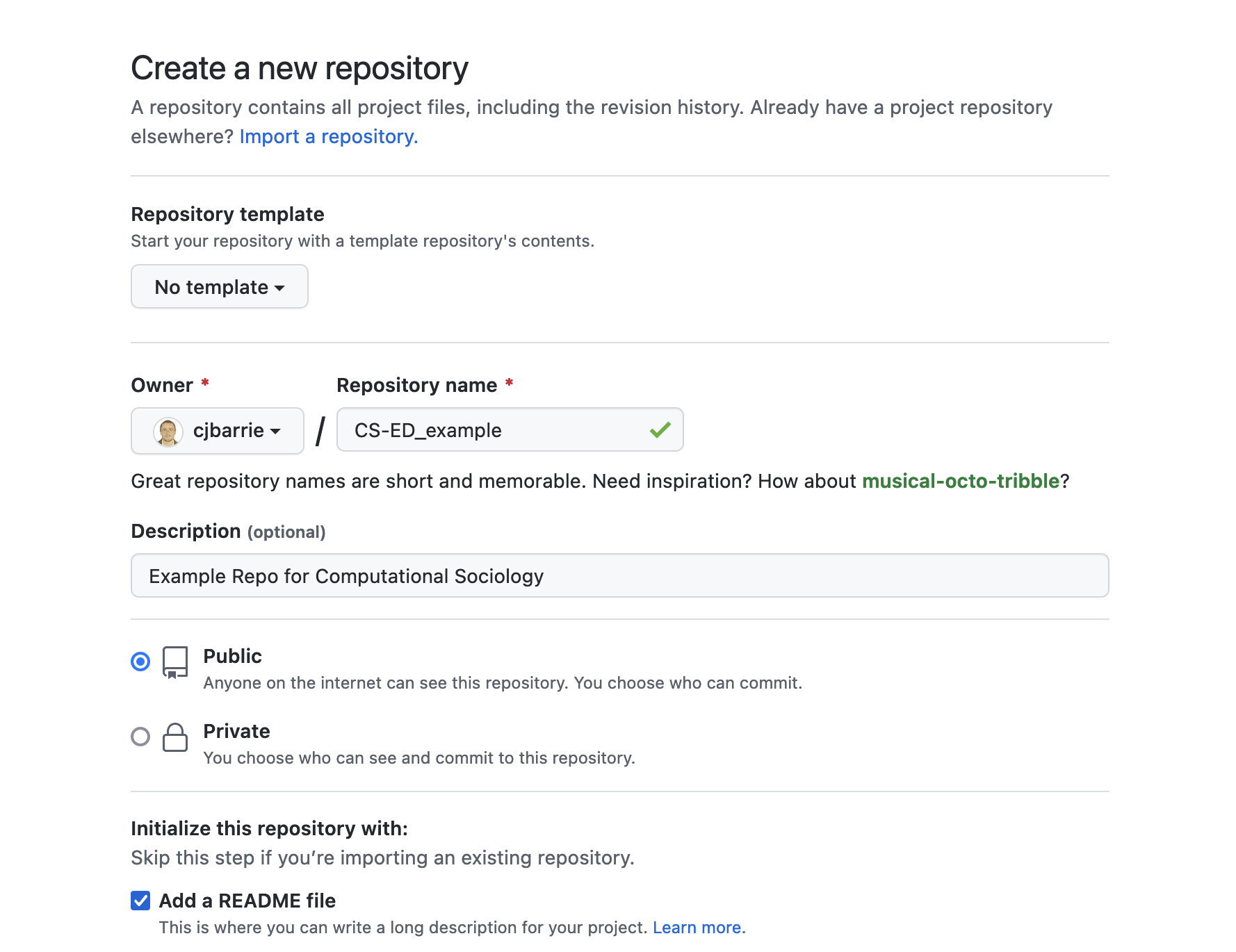
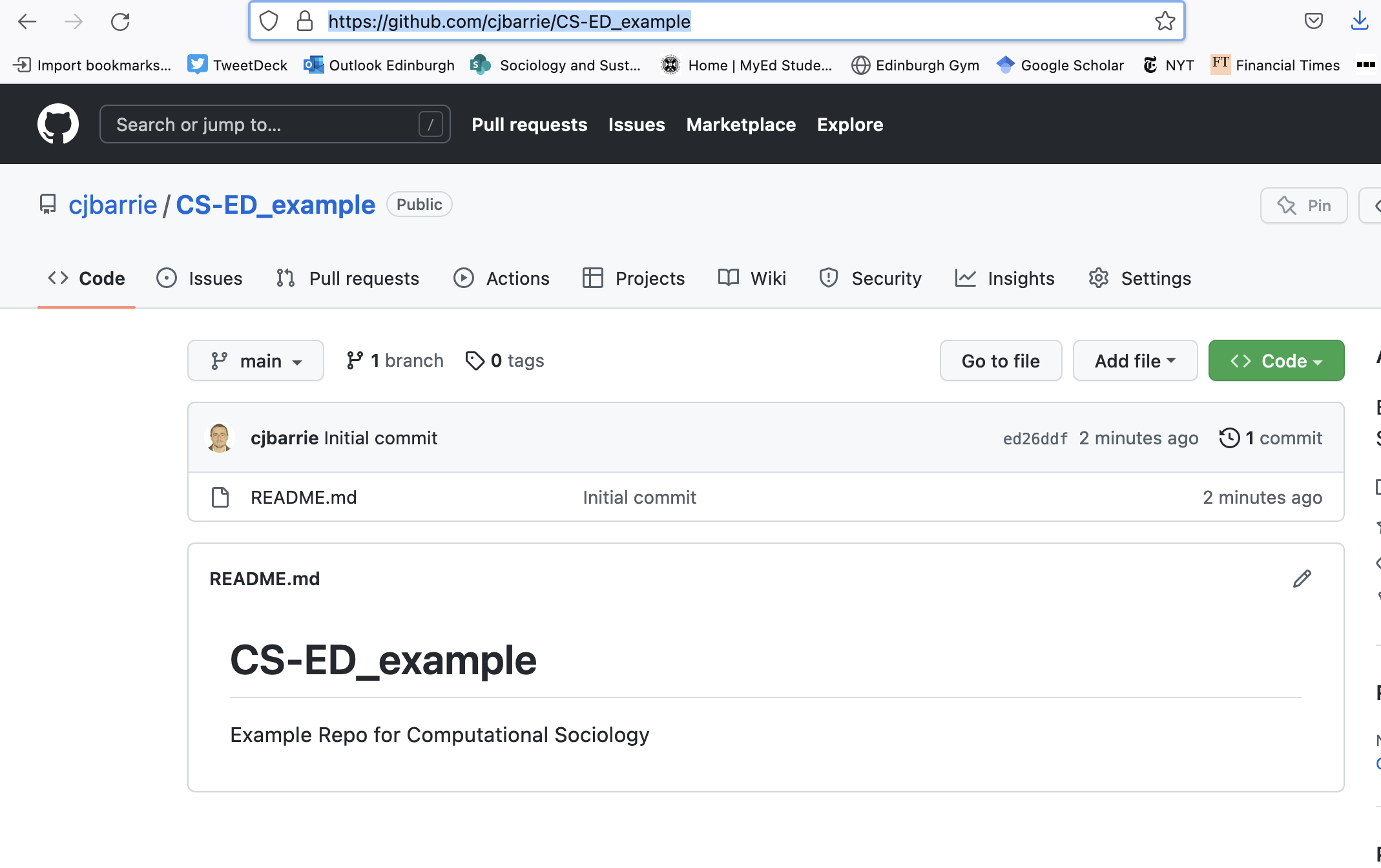
We create a Github Repo
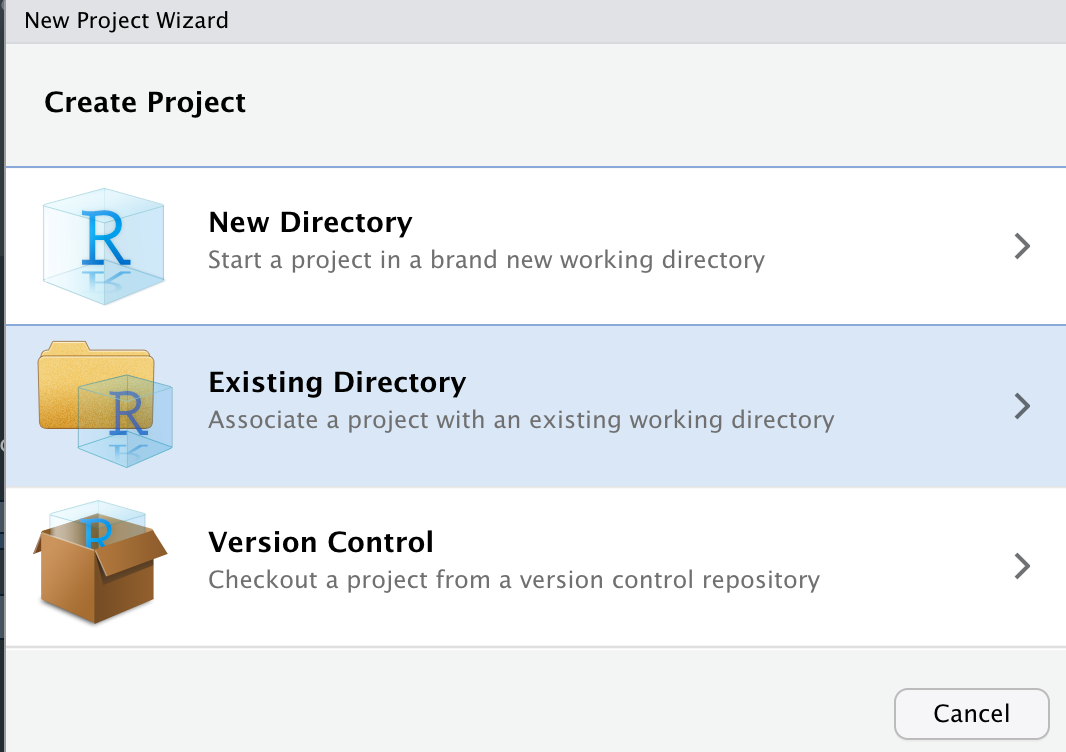
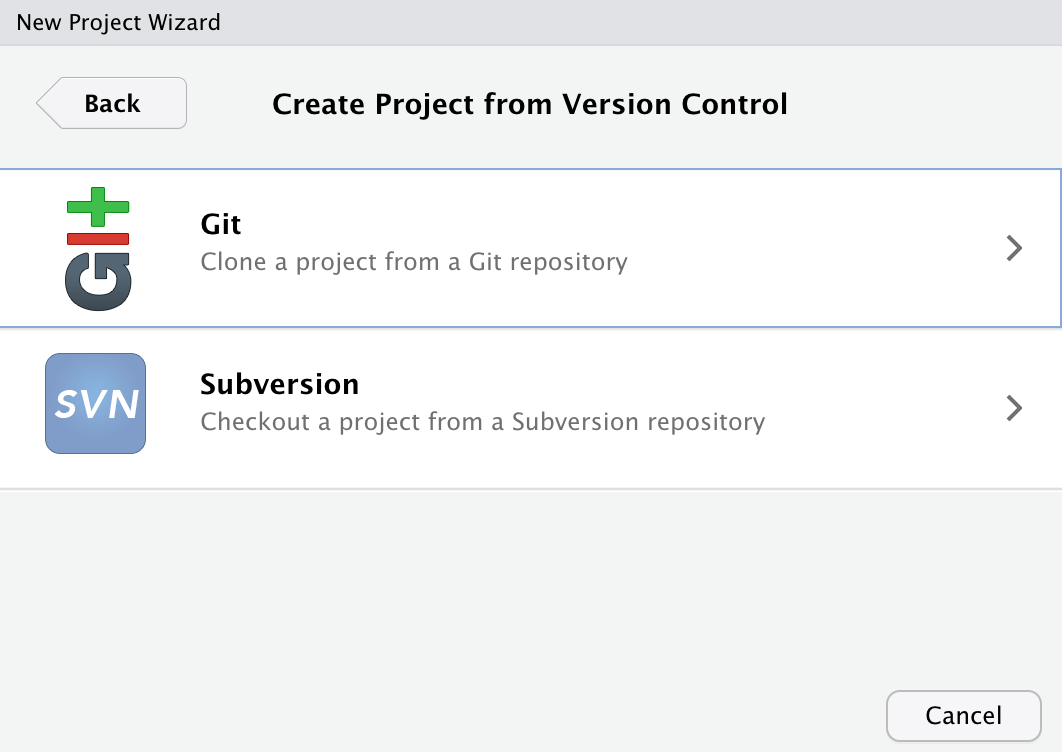
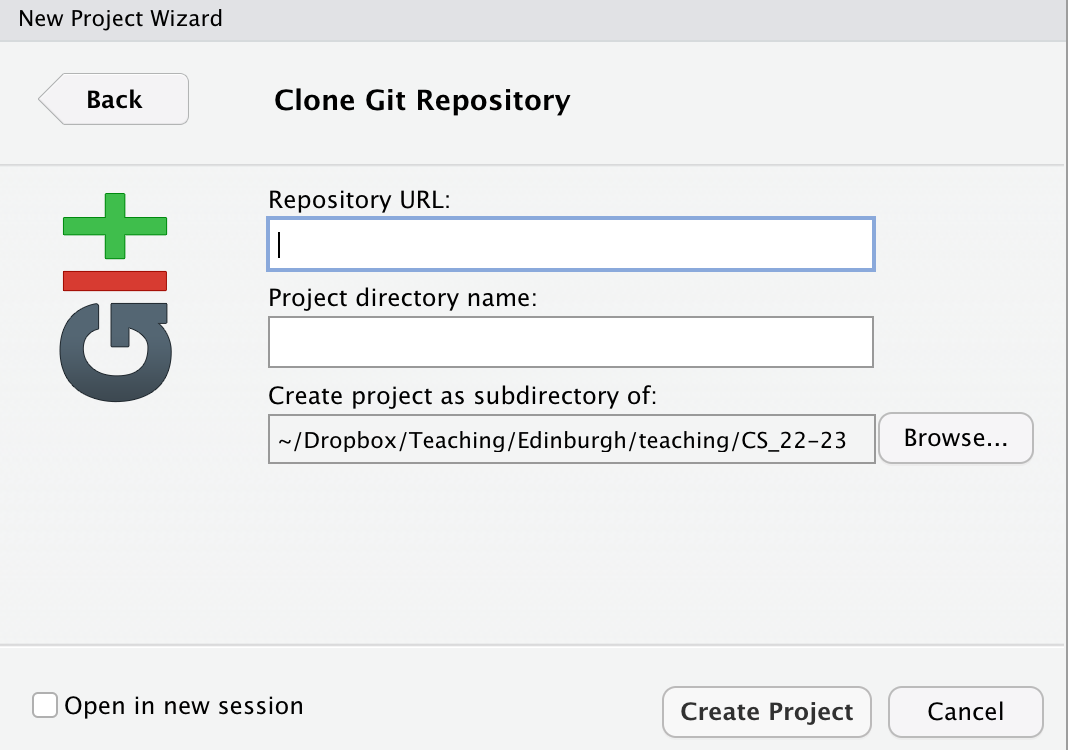
We create an R “Project”
We start writing our code
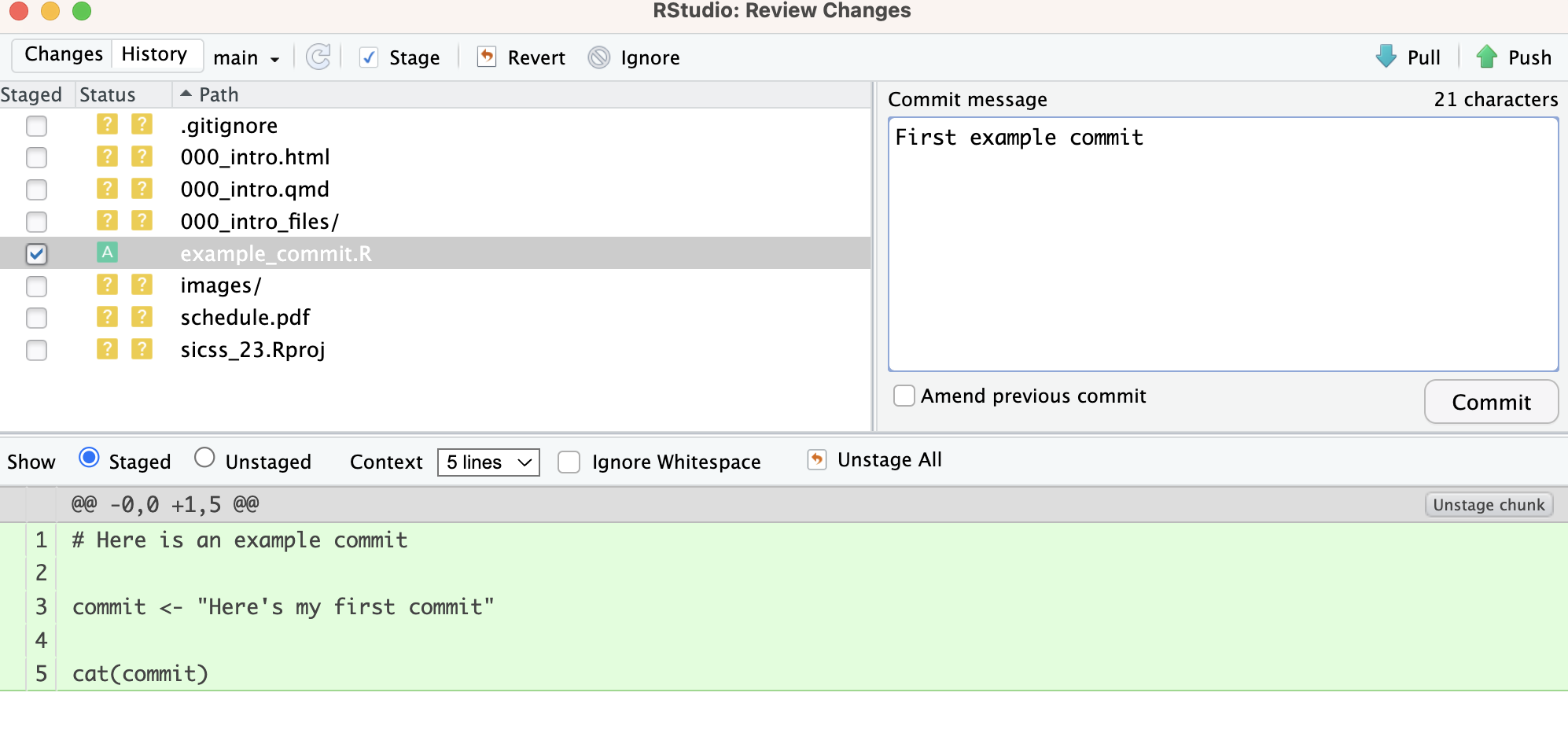
We “commit” and then “push” our changes when ready
git clone https://github.com/cjbarrie/sicss_23
cd sicss_23
git remote -v
git pull origin main
git status
touch example.R
git status
git add --all
# or git add .
git commit -m "example commit"
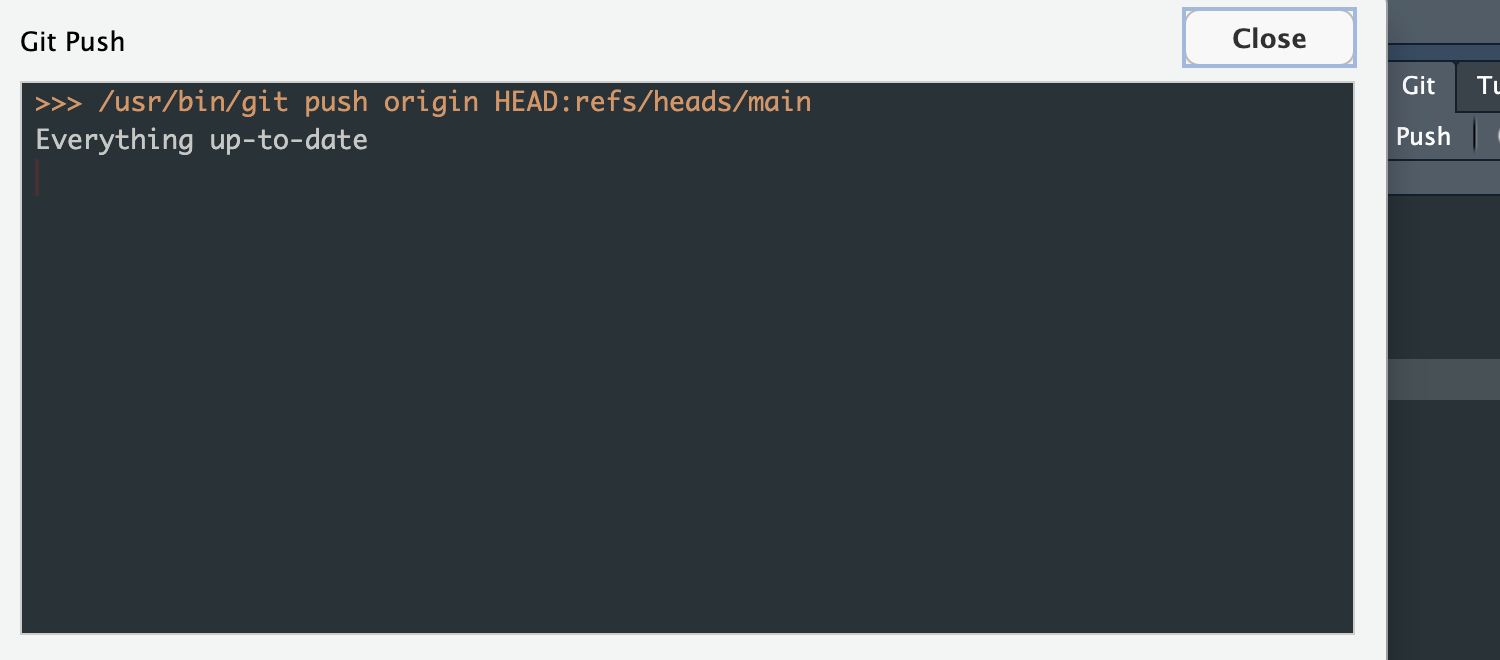
git push
git pull origin main
#OR
git fetch origin main
git merge
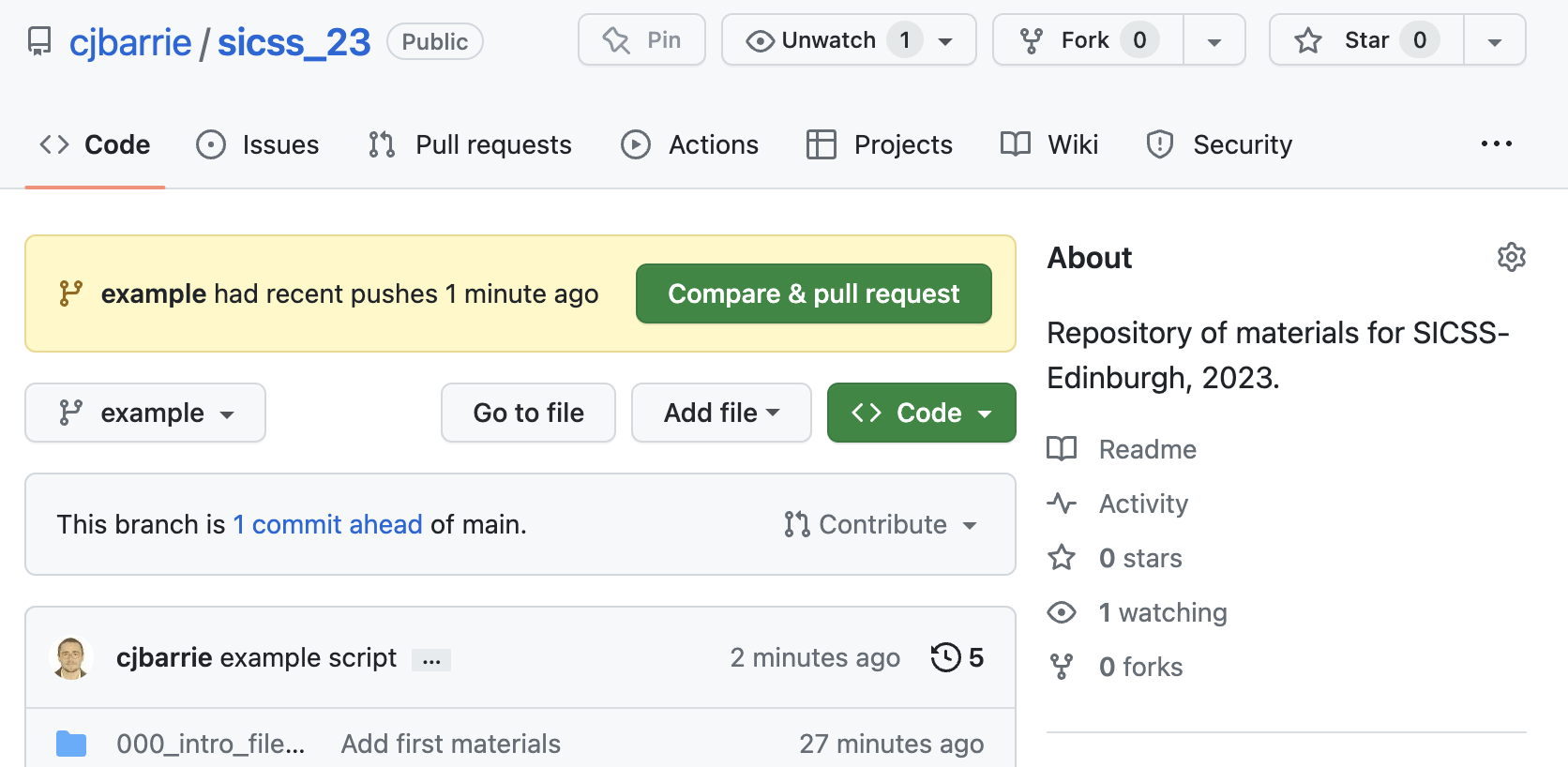
git branch "example"
git checkout example
touch example.R
git commit -m "branch example"
git push --set-upstream origin example
git checkout origin
git branch -d example
git push origin --delete example
Versioning your code is step 1. But there are many more steps…
Reproducibility also depends on…
Version of the programming language used;
Versions of the packages/libraries of said programming language used;
Operating System, and its version;
Versions of the underlying system libraries (which often go hand in hand with OS version, but not necessarily).
And even the hardware architecture that you run all that software stack on.
Taken from: https://raps-with-r.dev/intro.html