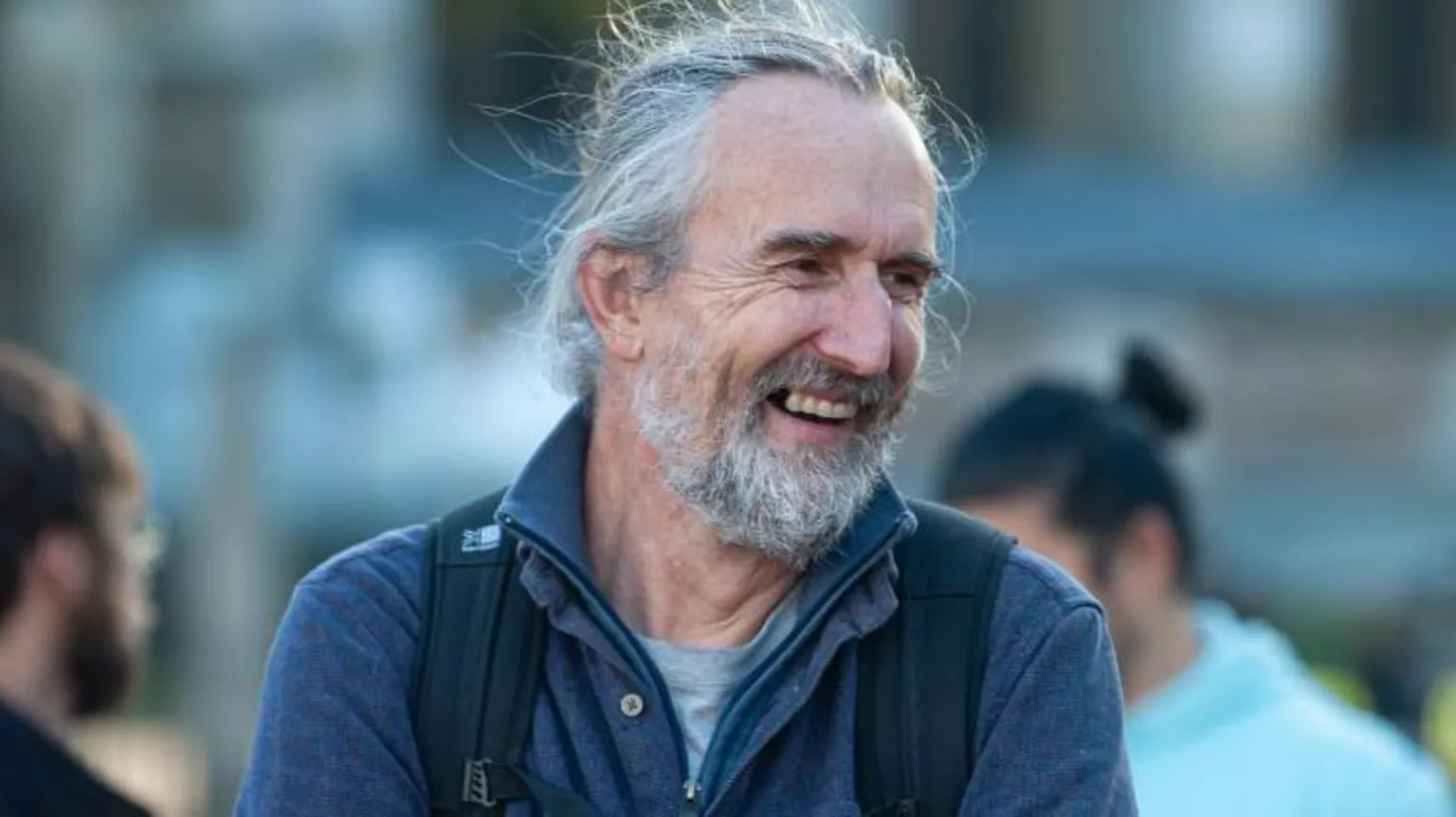

Five Just Stop Oil activists who disrupted the M25 motorway received lengthy prison sentences last week, including co-founder Roger Hallam. While some viewed this as justice catching up with the group, celebrities and a UN official criticized the sentences as unacceptable in a democracy. However, the deterrent effect appears limited - ten activists were arrested at Heathrow Airport days later in a suspected runway-blocking plot.
From his prison cell, Hallam defended his actions to the BBC, calling resistance "the strategic moral imperative" against humanity's greatest crisis. He believes that while some may be deterred, others will become more determined through direct action, which he maintains is "the right strategy."
The movement began with Extinction Rebellion, co-founded by Hallam, which brought London to a standstill in 2019 with road blockades and stunts like placing a pink boat in Oxford Circus. However, police were furious about being diverted from frontline duties, with protests costing £37 million. XR eventually split under public fury over the chaos, expelling Hallam in 2020 and disavowing disruptive tactics to "prioritise attendance over arrest."
Hallam then created Just Stop Oil and Insulate Britain to continue disruptive direct action, targeting motorways and sporting events including Wimbledon and the World Snooker Championship.
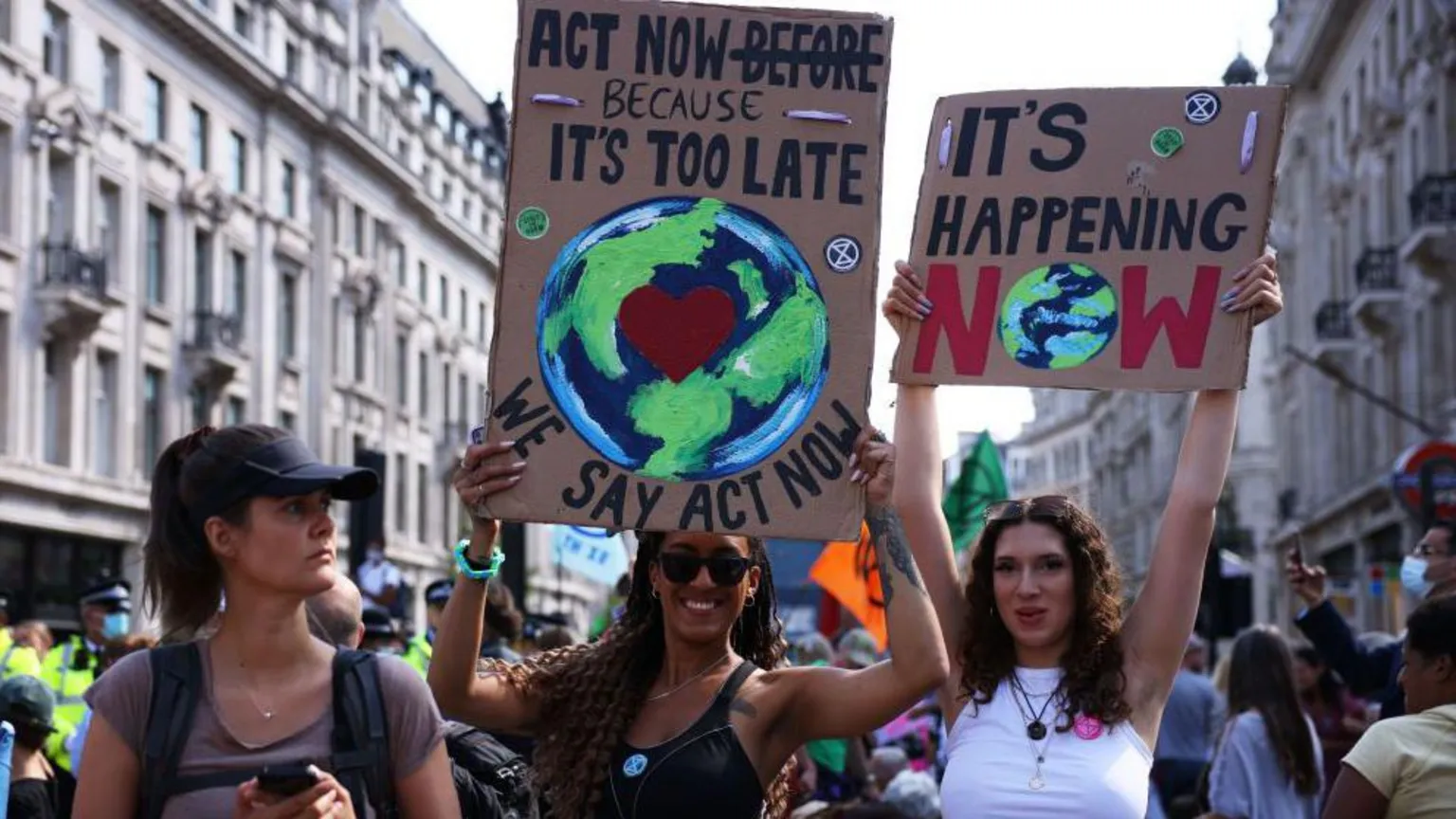
In response to this "disorder," the state expanded police powers, introducing time and noise limits on protests and criminalizing "locking on" with superglue. The key new offense is causing public nuisance through "serious annoyance" and "serious inconvenience." Since 2022, there have been 250 prosecutions under this law, with about half resulting in convictions.
Protesters claim climate concerns as reasonable excuse, but judges reject this defense, arguing road-sitting isn't necessary for raising awareness. Early convictions saw activists receive multi-year sentences, with defendants sometimes refusing to cooperate with courts.
Hallam's tactics, inspired by Suffragettes and Gandhi, deliberately seek arrests to create martyrs and publicity. The Labour government shows no signs of changing the law, and Hallam expects continued crackdowns on unpopular groups.
However, the European Court of Human Rights opposes jailing peaceful protesters and could rule England's laws incompatible with protest rights, potentially emboldening activists further.